Trending

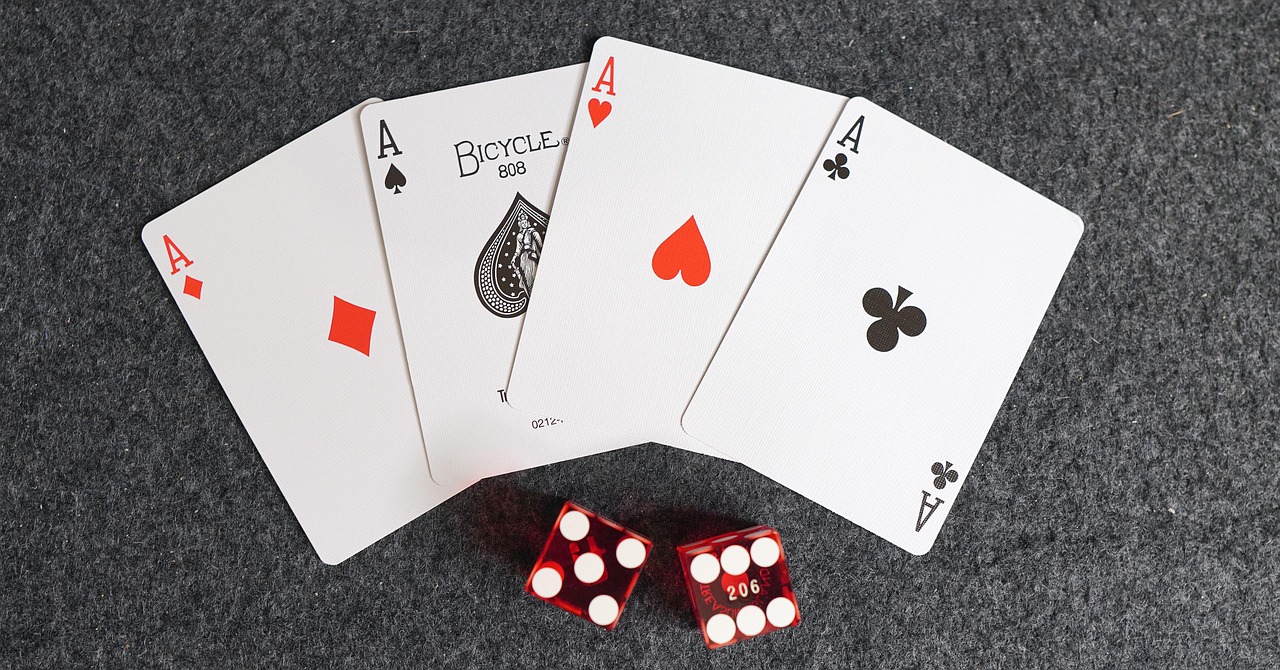
Walk into any sportsbook or fire up an online casino, and you'll notice the same pattern within about ten minutes. One player is calmly tracking a spreadsheet of Premier League totals. Another is chasing a slot bonus with escalating bets after three straight losses. They're both gambling. Only one of them is actually in control of it. That distinction — not luck, not a "system," not which platform you use — is what defines the modern iGaming experience. The industry is now worth well over $70 billion globally and shows no sign of slowing, yet most players still misunderstand what they're actually signing up for.
Let's dig into what's really happening inside casinos, poker rooms, and sportsbooks, and where the smart money — and smart recreation — actually lives.
People lump "gambling" into one bucket, but casino, sports betting, and poker are completely different animals. Understanding them separately is the first step to not bleeding money.
If you treat all three the same, you'll lose differently in each one. Sports betting rewards research, poker rewards psychological discipline, slots reward absolutely nothing but hope. Know which game you're seated at.
Slots are the cash cow of online casinos — roughly 70% of casino revenue in most regulated markets comes from them. They're not complicated to play, which is precisely the problem. The design strips out every decision except bet size and spin speed, so boredom, fatigue, or "almost won" near-misses drive the session.
A few concrete things worth knowing:
The players who enjoy slots most are the ones who treat them like a slot machine at a bar: entertainment with an hourly price, not an investment.
If you want to be a long-term winner in iGaming, sports betting is where the door is open — though it's been pushed from a light breeze to a narrow sliver in the last decade. Sharp bettors concentrate on niche markets: lower-division soccer, women's sports, player props, injury-news arbitrage. They look for lines that lag reality.
Practical tips that separate recreational bettors from habitual losers: Those comparing choices often turn to 78Win.
Sportsbooks now limit winning accounts ruthlessly. The reality is that the top 1–2% of bettors get restricted or banned from promos. Everyone else is the product.
Poker is a beautiful outlier in iGaming. The house doesn't care who wins — it takes rake from each pot and moves on. That means your profit comes directly from other players' mistakes. And in online cash games and tournaments, those mistakes are still plentiful at low stakes.
But the landscape has shifted. Solvers and GTO (game theory optimal) training tools have made mid-stakes poker brutal. If you're starting today, here's a realistic path:
Tournament poker is the sexier choice, but edges are thinner because payout distribution is wildly top-heavy. A career built on 200 buy-ins of math is not what the marketing videos show.
Every regulated operator throws money at you: deposit matches, free spins, risk-free bets. None of it is charity. A "$1,000 bonus" usually carries a 30–40x wagering requirement on the bonus amount alone, often excludes specific games, and expires in days. Do this mental math before you opt in: if you take a $100 bonus with 35x wagering and play a 96% RTP slot, the expected drag on your bankroll from the wagering alone is roughly $140 on a $3,500 turnover requirement. The math is ugly.
Lower-leverage bonuses — free-spin drops, small risk-free bets, no-wagering cashbacks — are almost always better value. Take those. Ignore the big headline numbers. More background can be found at 78 Win.
For deposits and withdrawals, use e-wallets (Skrill, PayPal, Neteller) where available. They're faster and give you a cleaner paper trail. Bitcoin is quick but adds volatility and limited dispute options. Credit cards are convenient but frequently banned by card networks for gambling in many jurisdictions.
The single most impactful decision you make in iGaming is not which strategy to run or which platform to sign up with. It's which game to sit in and what role gambling plays in your budget. A sharp sports bettor who lost $200 on slots is dumber than a recreational slots player who set a $20 weekly limit and stuck to it. The industry's best trick isn't rigged odds — it's engineering environments where your discipline disappears. Build your own guardrails first: hard budgets, time limits, session check-outs, and maybe a friend to text after a win. Do that, and you can genuinely enjoy the iGaming world for what it is — entertainment, with pockets of opportunity inside it. Skip that step, and you're the product, not the player.