Trending

You’ve seen it a hundred times: a guy at the poker table who never seems to lose, a slots player who cashes out while you’re still chasing a bonus, a sports bettor who consistently beats the closing line. It’s tempting to chalk it up to luck or some secret algorithm. But after years of watching both sides of the screen, the divide between the casual player and the professional comes down to a handful of habits that have nothing to do with a hot streak. And the good news? Most of them are learnable.
Ask any pro—poker, slots, or sports betting—what separates them from the weekend warrior, and they’ll say the same thing: it’s not the cards or the odds, it’s the bankroll. A casual player deposits $100 on Friday, plays until it’s gone, and maybe redeposits on Saturday. A pro treats their bankroll like a business expense. They set a strict unit size—typically 1% to 2% of their total bankroll for slots or cash games, and 1% to 5% for sports bets. That means if you have $1,000 dedicated to iGaming, your standard bet is $10 to $20. No exceptions, no “feeling it” moments.
Why does this matter? Because variance is a beast. Even a winning slots strategy can go 200 spins without a decent payout. If you’re betting $5 a spin on a $100 bankroll, you’re broke in 20 minutes. If you’re betting $1, you survive long enough for the math to work. The pros aren’t smarter—they just last longer.
Here’s a concrete tip from a slots pro I know: never bet more than 5% of your session bankroll on a single spin. If you sit down with $200, your max spin is $10. That gives you at least 20 spins to hit a bonus or a big line win. Anything higher and you’re gambling on hope, not probability. For table games like blackjack or roulette, keep your base bet at 1% to 2% of your total bankroll. This isn’t about being cheap—it’s about staying in the game long enough for your edge (if you have one) to show up.
Slots are the most misunderstood game in iGaming. Casual players pick a machine because it looks fun or because someone just won big on it. Pros look at two numbers: RTP (return to player) and volatility. RTP is the theoretical payback over millions of spins—96% is good, 92% is bad. Volatility tells you how the machine pays: low volatility means small, frequent wins; high volatility means long dry spells followed by massive payouts.
Here’s where casual players go wrong: they think a machine is “due” after a dry spell. It’s not. Each spin is independent. The random number generator doesn’t remember that you just lost 50 spins. The only thing that changes is your bankroll. So if you’re playing a high-volatility slot like Book of Dead (RTP 96.2%, high volatility), you need a bankroll of at least 200 to 300 times your bet size to have a realistic shot at a bonus round. That’s $200 to $300 if you’re betting $1. Most casual players bring $50 and wonder why they never hit anything.
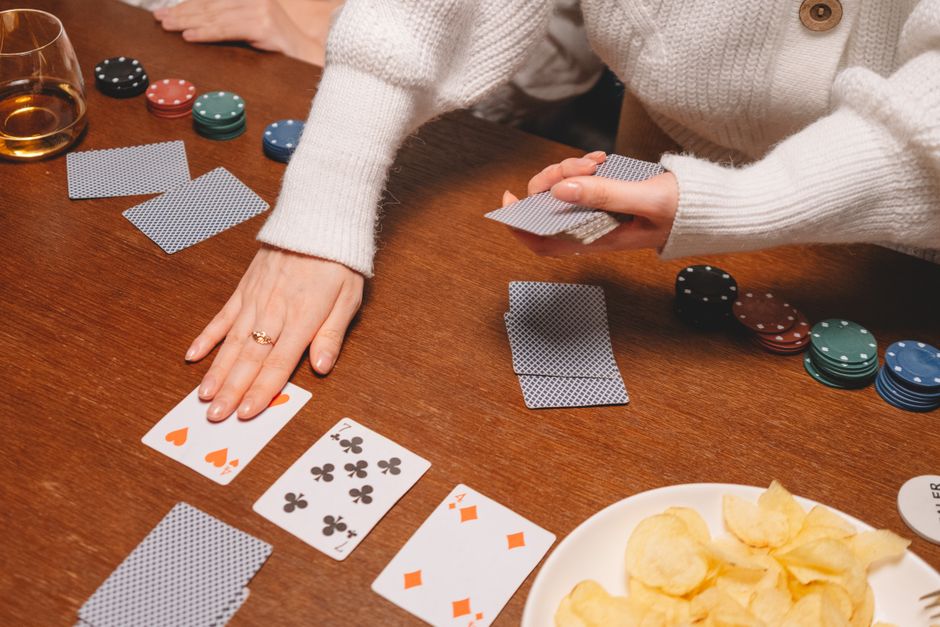
Poker is where the casual-pro gap is widest. A casual player looks at their two cards and decides whether to play. A pro looks at their position, the action before them, the stack sizes, and their opponent’s tendencies. Position is everything. Acting last on the button gives you information—you see what everyone else does before you act. That’s why pros play nearly twice as many hands from the button as from early position.
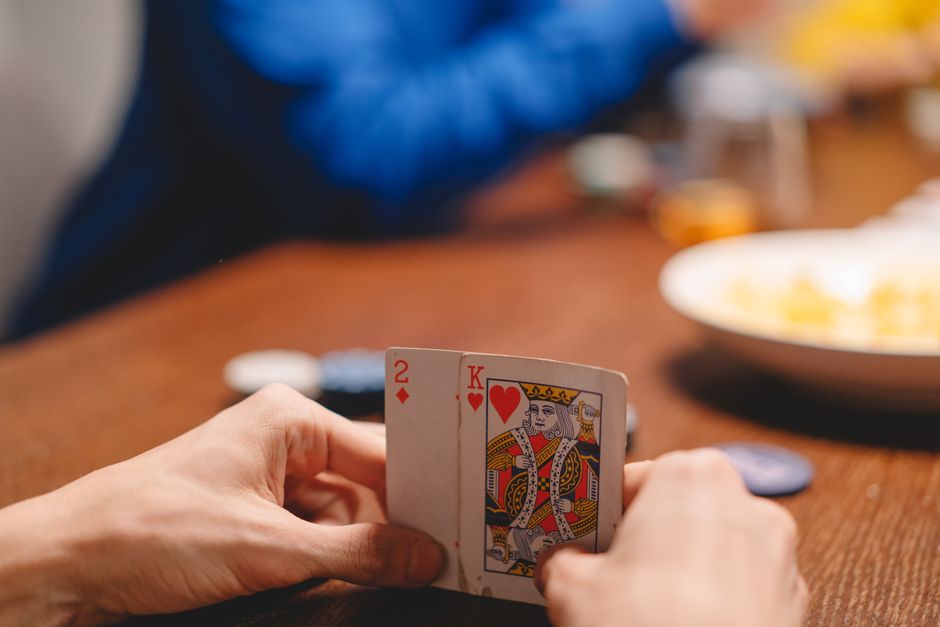
Then there’s range thinking. A casual player puts an opponent on a specific hand: “He probably has ace-king.” A pro puts them on a range: “He could have any pair, any suited broadway, ace-queen plus, and a few bluffs.” This changes everything. If you think someone has ace-king, you fold your pocket eights. If you think they have a range that includes 40% bluffs, you might call. The pros use software like Flopzilla or Equilab to practice range vs. range scenarios. You don’t need software to start—just ask yourself, “What’s the worst hand they could have here? What’s the best?” That alone will make you tougher to play against.
Here’s a simple drill from a mid-stakes pro: when you’re facing a big bet and you’re not sure, give yourself 10 seconds. If you can’t articulate a clear reason to call—like a read, a math edge, or a blocker—fold. Casual players call because they’re curious or because they’ve already put money in the pot. Pros fold because they know that curiosity is expensive. Over 1,000 hands, that one leak will cost you more than any bad beat. L'Avenue Dubai goes into the finer points.
If you’re still betting on the first sportsbook you signed up with, you’re leaving money on the table every single day. Line shopping is the easiest edge in betting. The same game might be -3 at one book and -2.5 at another. That half-point matters. Over a season, shopping for the best line adds 1% to 3% to your ROI—which is the difference between a losing bettor and a winning one.
Pros also track closing lines. The closing line is the final odds before the game starts, and it’s the most accurate predictor of the true probability. If you consistently bet underdogs at +150 and they close at +130, you’re beating the market. That’s the goal. You don’t need to win every bet. You just need to get better odds than the closing line. Use a free tool like OddsJam or just check two or three books manually. It takes 30 seconds and it’s the closest thing to free money in iGaming.
This is the unspoken divide. Casual players play for entertainment—and there’s nothing wrong with that. But if you want to be a pro, you have to flip the switch. Every session is a data point. Every loss is a lesson in variance. Every win is not a reason to increase your bet size. The pros I know treat iGaming like a part-time job with a positive expected value. They set hours, they review hand histories, they take breaks when tilted. They don’t chase losses. They don’t play drunk. They don’t deposit more than their bankroll allows.
You don’t have to go full pro to benefit from this mindset. Just adopt one habit: before you play, write down your bankroll, your unit size, and your stop-loss. After you play, write down what you did well and what you’d change. Do that for a month and you’ll be ahead of 90% of casual players. The rest is just repetition and discipline.
At the end of the day, iGaming isn’t about finding a secret slot or a magic poker strategy. It’s about understanding the math, managing your money, and playing with a clear head. The pros aren’t lucky—they’re consistent. And consistency is something you can start building today.