Trending


You have probably felt it before. The reels spin, two scatters land, and your heart rate jumps — only to watch the third one slide past the payline. Or maybe you have chased a jackpot on a high-stakes slot for an hour, watching your balance drain while your friend hits three bonus rounds on a penny machine in ten minutes. That is not bad luck, and it is not a rigged game. It is volatility, and understanding it is the single most useful piece of knowledge any player can carry into an online casino.
Volatility — sometimes called variance — describes how a game distributes its payouts over time. Every slot has a Return to Player (RTP) percentage, usually between 94% and 97%, which tells you what the game pays back over millions of spins. But RTP says nothing about how that money comes back to you. Two slots can both have a 96% RTP while behaving completely differently.
A low-volatility slot pays small amounts frequently. Think 0.5x to 2x your stake showing up every few spins. High-volatility games, by contrast, might go 200 spins without a meaningful win, then suddenly drop a 500x multiplier. The casino's edge stays the same; the delivery method changes. That distinction matters far more than most players realize.
Reputable developers publish volatility information in the game's help menu. You will find RTP, max win, and often a volatility rating. Ignore those numbers and you are gambling blind. Before depositing a cent, check three things:
Take a concrete comparison. Starburst sits at the low end: 96.09% RTP, frequent small wins, and a max win around 500x. Now look at something like Money Train 2 — 96.4% RTP but a 50,000x max win and brutally long dry spells. Same theoretical return, completely different emotional experience. Choosing the wrong one for your bankroll is how sessions end in frustration.
Here is where most players get it backwards. They pick a game because the theme looks cool, then wonder why their $50 deposit evaporates in twenty minutes. Your bankroll should dictate the volatility, not the other way around. For a closer look, บาคาร่า has helpful details.
If you are playing with $20 and want an hour of entertainment, low-volatility slots give you more spins and more frequent feedback. If you have $200 and are hunting a serious score, a high-volatility title gives you the spins needed to actually reach the bonus round. As a rough rule, you want a bankroll of at least 200 to 300 times your bet size on high-variance games. Betting $1 per spin on a 50,000x slot with a $50 balance is not a strategy; it is a donation.
Session length also matters. High-volatility games reward patience and punish impatience. If you plan to play for fifteen minutes, you are essentially buying a lottery ticket. If you can commit to 500 or more spins, the math has room to breathe.
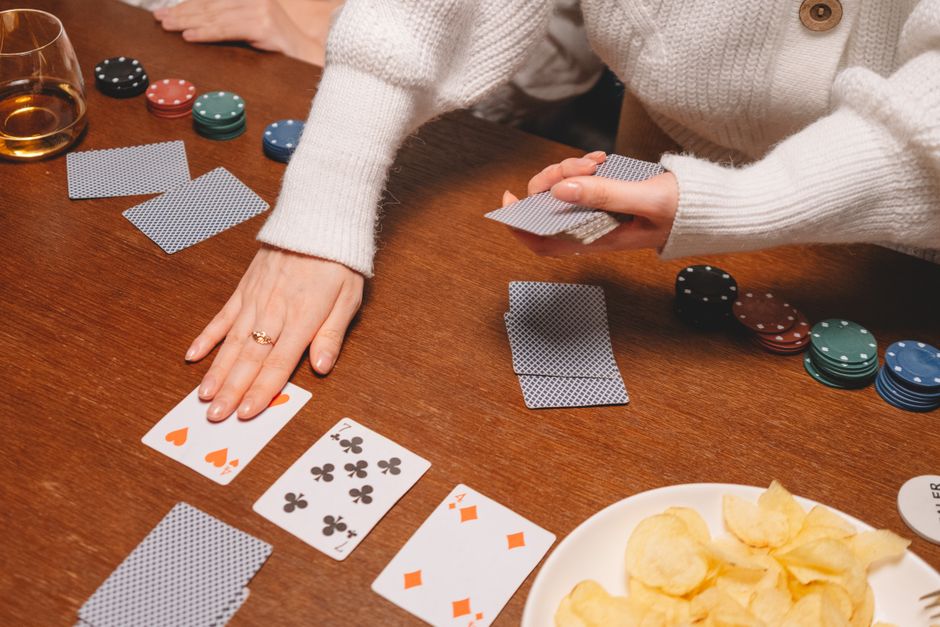
The concept is not unique to slots. In blackjack and baccarat, volatility is lower because the house edge is small and outcomes cluster tightly. In poker, variance lives in the tournament structure — cash games are steady, while a large-field MTT can mean hours of solid play without a cash. Sports betting sits somewhere in the middle, with parlays pushing you toward high volatility and straight bets keeping things calmer. The principle is universal: the bigger the potential payout, the less often it arrives.
A few beliefs persist in every casino forum, and they quietly drain bankrolls.
Next time you open a casino lobby, run through this quick mental checklist before spinning. Decide your total session budget first. Pick a per-spin bet that gives you at least 200 spins. Then choose volatility based on what you actually want from the session — steady entertainment or a shot at a headline win. Check the RTP in the help menu and reject anything below 95% if better options exist. Finally, set a loss limit and a win target before the first spin, and walk away when either is hit.
That last step is the hardest and the most valuable. Volatility is neutral — it is just a description of variance. Your behavior around it is what determines whether a session ends as fun or as regret.