Trending

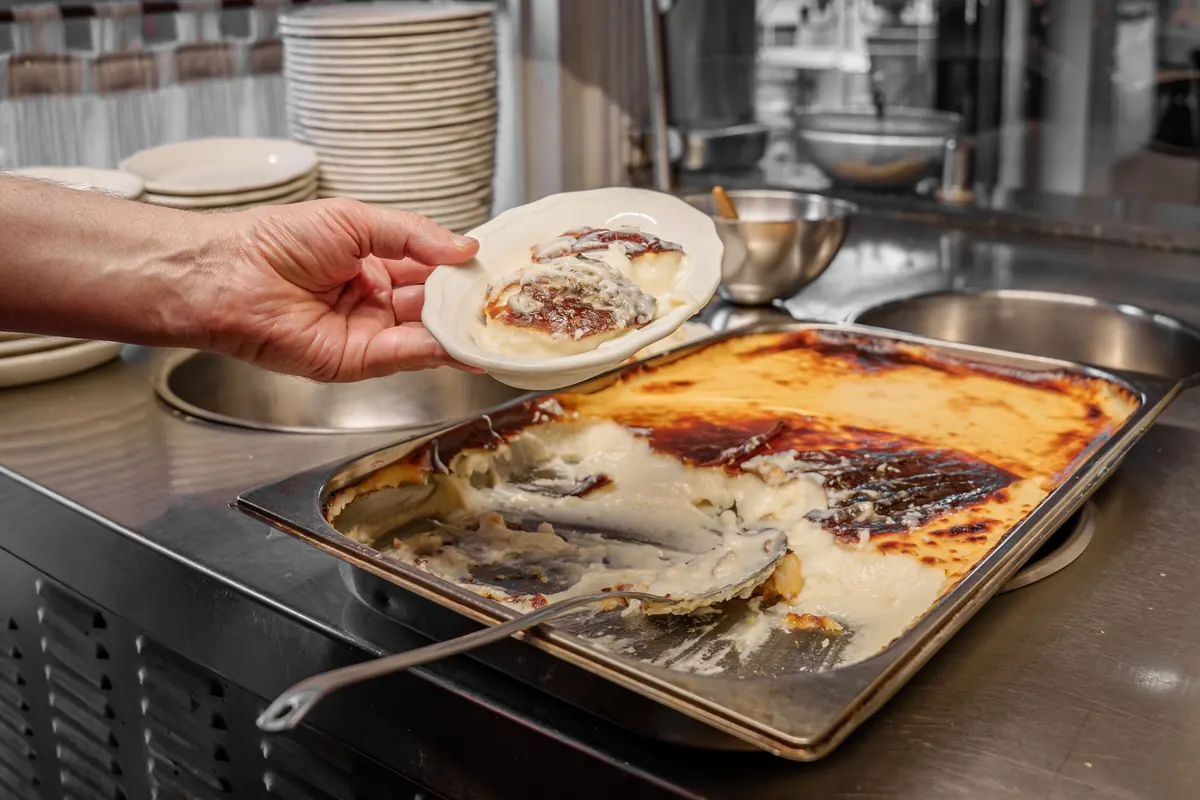
Custard is a quiet overachiever. A bowl of crème anglaise, a custard pie, a dish of crème brûlée, a pot of pastry cream waiting to be folded into a tart — all of them are built from eggs, milk or cream, and sugar. Moisture, protein, a near-neutral pH, and nothing much in the way of acid or salt to slow anything down.
It also fails politely. Custard rarely announces itself the way spoiled chicken does. It just starts tasting a little flat, then faintly sour, and by then you have already spooned it over the pie. The good news: managing custard is mostly about two numbers, temperature and time, and neither one is hard once you know them.
Bacteria multiply fastest between 40°F and 140°F (4°C and 60°C). A custard cooling on the counter sits squarely in the middle of that range, which is why how you cool it matters as much as how you store it.
Two hours is the outer limit for leaving a perishable food at room temperature, and one hour if the kitchen is above 90°F. That budget covers the custard's whole life, not each time you set it out. If it sat on the table for 45 minutes while you ate dessert, you have about 75 minutes of grace left for the leftovers. A bowl refilled from the fridge all evening at a party is a different situation from one left out while you wash dishes.
When you are cooling a full batch, work in two stages: bring it down to 70°F within two hours, then to 40°F within four more.
Refrigerator life depends on the custard, because sugar, acid and fat all shift the clock. As a general rule, keep your fridge at 40°F or below, and treat these as generous limits rather than targets to reach.
The back of a middle shelf is the coldest, most stable spot in most refrigerators. The door is the warmest and the most jostled, which makes it the worst place for a bowl of custard, even a well-sealed one.
Press plastic wrap directly onto the surface of stirred custards. This prevents a rubbery skin from forming, and it also keeps the custard from picking up the aroma of last night's onions. For baked custards and pies, wrap the dish or slide it into a container with a lid.
Store custard above, not below, raw meat, poultry and unwashed produce. Drips travel downward, and a covered bowl is not a guarantee. A dated piece of tape on the lid saves you from the sad arithmetic of "was this Tuesday or Thursday?"
Every spoon that goes into the bowl and comes back has been in someone's mouth. For a party, portion custard into small bowls, or set out a serving spoon and leave the main container in the fridge. Replenish from cold stock rather than letting one bowl sit out for three hours.
Leftovers are safe to keep only if they were handled safely before they became leftovers.
Freezing is where custard gets disappointing. The water in milk and eggs forms ice crystals that push starch and protein networks apart, and when it thaws you get weeping, graininess and a spongy texture that no amount of whisking fully repairs.
Stirred custards and pastry cream separate badly. Baked custards and custard pies turn watery and rubbery. Crème brûlée is best made and eaten fresh, since the whole point is that contrast on top. Custard-based ice cream is the exception: it is designed to be frozen, churned and eaten within a few weeks.
If you have more custard than you can use and freezing is the only option, cool it completely, press wrap onto the surface, and freeze for up to a month. Thaw overnight in the refrigerator, then whisk it gently over low heat or blend it briefly. Plan on using it as a sauce, a trifle layer, or a filling rather than serving it proudly in a dish.
Reheating custard is a narrow-band problem. You want the center to reach at least 165°F to be safe, but egg proteins begin to tighten and curdle in the 180s. That leaves a small window, and the only way through it is low heat and constant motion. Never boil custard, and never walk away from it.
Use a heavy saucepan over low heat and stir constantly with a silicone spatula, scraping the bottom and corners. Lift the pan off the burner for ten seconds whenever you feel it getting hot. When you see the first wisp of steam and a bubble at the edge, you are close.
This is the safest method for sauces and thin custards, because the water below never gets hot enough to scorch. Stir often and check the temperature as you go.
Medium power, short bursts of 15 to 20 seconds, stirring thoroughly between each one. Skip this method for large quantities, since microwaves heat unevenly and you can end up with hot spots and scrambled edges in the same bowl.
A 300°F oven and a loosely covered dish works, but honestly, custard pie and crème brûlée taste better cold or at room temperature. Warm them briefly if you like, not thoroughly.
Reheat custard once. Anything you have already reheated should be eaten, not cooled and stored again. If it does curdle, strain it through a fine sieve or give it a quick blend: you will lose the silky set, but you will have a perfectly good sauce.
Your nose and tongue are reliable here, so trust them.
When you are genuinely unsure, throw it out. A bowl of custard costs far less than a miserable night. If you are pregnant, caring for a young child or an older adult, or cooking for someone with a weakened immune system, be stricter about dates and consider pasteurized eggs for uncooked preparations, and ask a healthcare professional for guidance that fits your situation.
Before you put custard away or serve it from the fridge, run through this quickly.
Get those five right and custard stops being a gamble. It becomes what it should be: the cold, silky finish to a meal, ready when you are.
Photo: Arina Krasnikova / Pexels