Trending

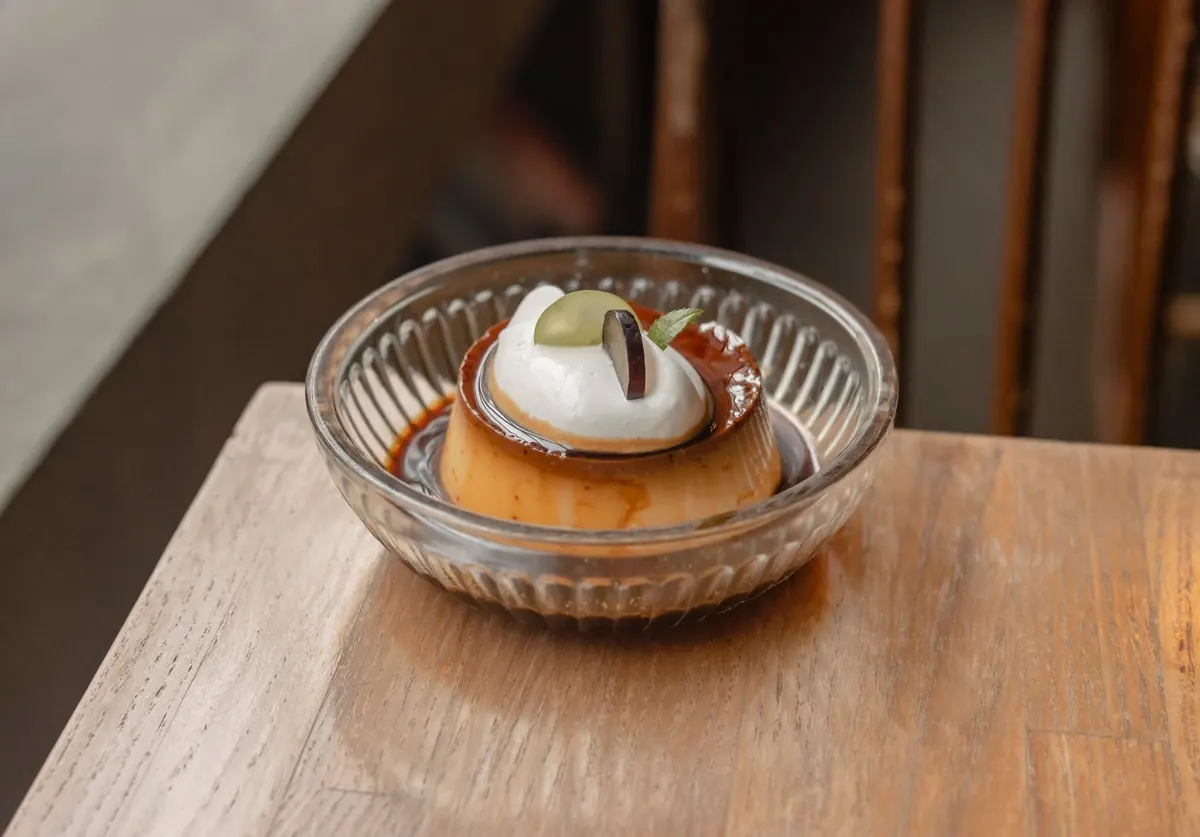
Custard is one of those things that looks effortless in a cookbook and turns into sweet scrambled eggs on your stove. The good news: almost every custard failure comes down to the same handful of mistakes, and most of them are fixable in the moment. Learn what's actually happening in the pan and you'll stop guessing.
Here are the seven slip-ups that cause curdling, lumps, weeping, and custard that's either too loose or too firm — plus what to do when you catch yourself mid-mistake.
Egg yolks thicken somewhere around 160°F to 180°F, and past that the proteins tighten and squeeze out water. That's curdling. High heat also means the bottom of the pan gets hotter than the custard above it, so the base scrambles before your thermometer notices anything.
The fix is medium-low heat, constant stirring with a spatula that reaches the corners of the pan, and patience. Stir in a figure-eight pattern, scraping the bottom and edges every few seconds. If you're making crème anglaise or pastry cream, pull the pan off the heat before you think it's ready — carryover heat keeps cooking it.
Already curdled? Pour it straight into a cold bowl (set that bowl over an ice bath if you have one) and stop the cooking. Small grainy bits usually smooth out with a hard whisk, or strain out. If it's truly scrambled, blend it briefly and strain, then call it a sauce — or start over, because a badly curdled custard rarely comes all the way back.
Dump cold eggs into hot milk and you get threads of cooked egg floating in liquid. Tempering — slowly raising the eggs' temperature before they join the pan — is the whole trick.
Whisk a ladle of the hot liquid into the yolks in a thin stream, whisking the entire time. Add a second ladle, then a third. By then the mixture is warm, and you can pour it back into the pan without shock. Keep whisking as you pour. Let your yolks sit out for twenty minutes first, too, and whisk them with the sugar until they lighten slightly. Cold, unbroken yolks clump far more easily.
Lumps come from three places: unincorporated starch, scorched bits lifted off the bottom, or egg that set before it was mixed in. All three are preventable, and one is invisible if you skip the last step.
Recipes give times, but pan thickness, burner strength, and starting temperature change everything. Use your eyes and a spoon instead.
Under-cooked custard tastes thin and sloshes. Overcooked custard is grainy, rubbery, or weeping. Both are easier to catch early than to correct later, which is why these tests matter more than any timer.
Oven heat is dry and harsh. A water bath surrounds the dish with gentle, humid heat so the custard sets slowly and evenly instead of forming a tough skin and cracking across the top.
Set ramekins or a baking dish in a larger pan, then pour hot — not boiling — water into the outer pan until it comes about halfway up the sides. Bake at a moderate temperature, usually 325°F to 350°F, and check early rather than late. If the top is browning before the center sets, tent it loosely with foil.
That thin puddle under a custard is almost always overcooking. As the proteins squeeze together, they push out water. Too much sugar or too little egg can do it too, as can chilling a stirred custard too fast without stirring it to release the heat. Cool stirred custards over an ice bath or in a shallow bowl, stirring occasionally, and press plastic wrap directly onto the surface to prevent a skin.
Custard is a ratio, not a vibe. As a general guide, one egg yolk lightly thickens about a quarter cup of liquid; for a spoon-coating sauce, use three to four yolks per cup of milk or cream. Too little egg and it stays thin. Too much and it tastes eggy and sets firm — right for a pot de crème, wrong for something you want to pour.
Sugar timing matters as well. Whisking sugar into the yolks first helps them disperse evenly and raises the temperature at which they curdle. If you're making pastry cream with starch, whisk the sugar with the starch and yolks before the hot milk goes in. Save anything acidic — citrus, vinegar-based reductions — for after cooking, since acid makes egg proteins set at lower temperatures and encourages curdling.
Keep these in your back pocket:
Slow down, use a thermometer, stir the corners of the pan, and taste as you go. Custard rewards attention more than technique, and once you've felt it thicken under your spoon, you'll know when it's ready without checking the recipe.
Photo: SpotwizardLee / Pexels