Trending

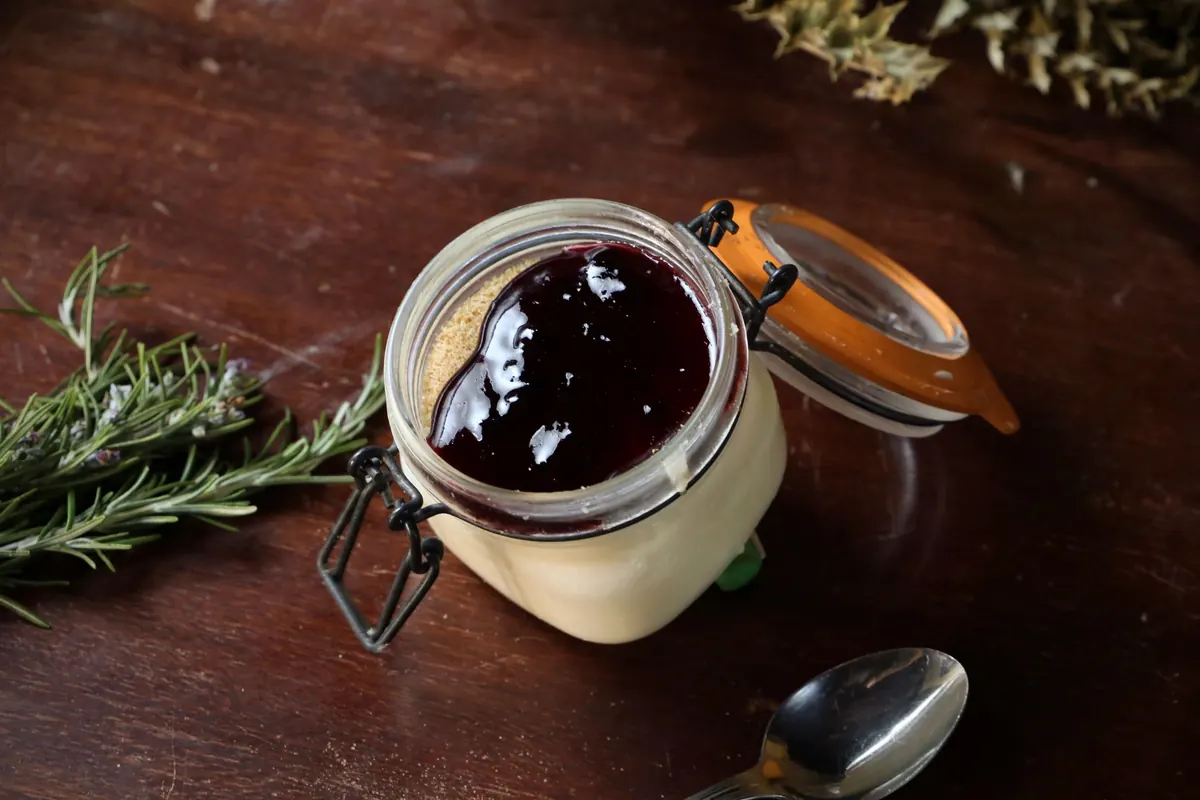
Custard is a quiet drama. One moment you have a fragrant pool of cream and eggs; the next, it can turn into a curdled, grainy mess. The line between silky and scrambled is thin, but it is not invisible. If you know what to look for, feel for, and measure, you can catch custard at its perfect set every time. Whether you are making a stirred custard such as crème anglaise or pastry cream, or a baked custard such as crème brûlée, flan, or pots de crème, the signs are often subtle. They arrive as a change in texture, a slight resistance on the whisk, a gentle wobble in the center, or a temperature that finally climbs into the right zone. Here are the eight signs that tell you it’s ready to come off the heat or out of the oven.
The oldest test in the pastry kitchen is also one of the most reliable. Dip a spoon into the custard and lift it out. A ready custard will coat the back of the spoon in a thin, even layer. Now draw your finger through that coating. If the line stays clean—if the custard does not run back into the gap—it has reached the stage the French call nappe. That means it is thick enough to set.
If the custard drips off the spoon like milk, it needs more time. If it plops off in heavy lumps, you have gone too far. For stirred custards like crème anglaise or pastry cream, this swipe test is often the moment you pull the pan off the heat, but do not stop whisking immediately. The residual heat in the pan can push the custard a little further, so keep it moving for another thirty seconds or so. If the spoon test looks perfect but the custard is still thin on the palate, remember that some sauces are meant to be lighter. The clean swipe should be your guide, not the thickness of cold pudding.
When you lift the whisk and let the custard fall back into the bowl, it should fall in a slowly dissolving ribbon. The ribbon rests briefly on the surface before sinking back in. If it disappears instantly, the custard is still too loose. If it mounds up and holds a shape, you have likely overcooked it. This sign is especially useful in egg-yolk-and-sugar mixtures that will later become pastry cream or sabayon, because it shows that the yolks have thickened enough to create structure. The ribbon stage and the spoon test are cousins: one is read from the whisk, the other from the spoon. Together they give you two chances to catch the perfect moment.
Stirred custard should never boil. As it cooks, you want to see wisps of steam and perhaps a few small bubbles at the edge of the pan. If the surface is bubbling like soup, the eggs are already cooking too hard. The same rule applies to baked custards: the water bath should be hot, but it should not boil aggressively. A gentle simmer surrounds the custard with even heat and protects the eggs from curdling. If you see vigorous bubbles, lower the heat or add a little cool water to the bath.
If the custard is bubbling like soup, the eggs are already cooking too hard. Pull it off the heat and keep whisking.
An instant-read thermometer is the quiet hero of custard making. Crème anglaise is usually ready between 170°F and 180°F (77°C and 82°C). Pastry cream is often taken to 175°F to 180°F (79°C to 82°C). Baked custards such as crème brûlée or flan are typically done around 170°F to 175°F (77°C to 79°C). Egg proteins begin to set around 160°F and become fully firm near 185°F; beyond that, they squeeze out water and turn grainy. Use the thermometer as a backup, not a replacement, for your senses. If the spoon test says ready but the thermometer reads 165°F, give it another minute. If it reads 190°F, strain it immediately into a cool bowl to stop the cooking.
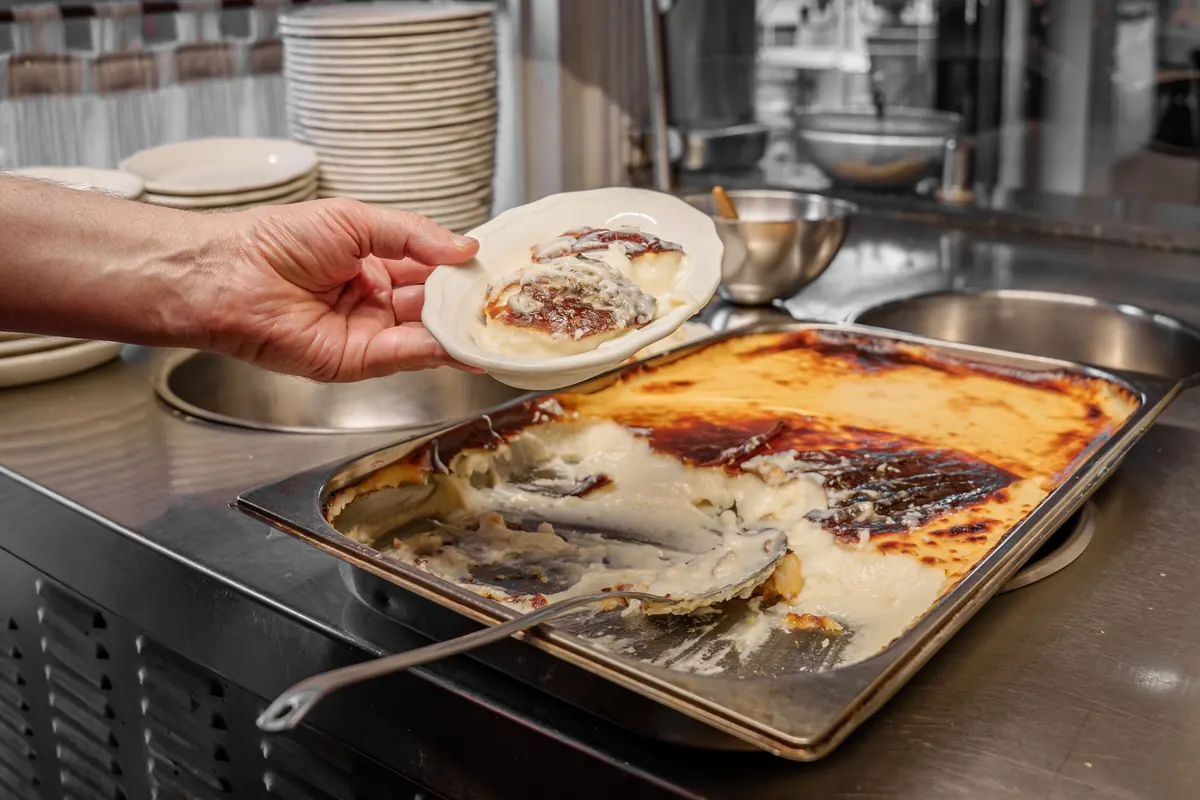
Baked custard should not be liquid, but it should not be stiff either. Gently shake the pan. The outer inch should look set, while the center jiggles like a soft gelatin. If the whole surface sloshes, it needs more time. If there is no wobble at all, it is probably overbaked. Remember that carryover cooking continues after the custard leaves the oven, so a slightly jiggly center will firm up as it cools. This is why crème brûlée and pots de crème are often pulled when they still look a little underdone in the very middle.
For baked custards, insert a thin knife or skewer about one inch from the edge, not in the center. If it comes out clean, the custard is set around the perimeter. The center may still look moist or shiny, and that is exactly what you want. If the knife comes out clean in the center too, the custard is likely overbaked. If it comes out with liquid clinging to it, bake for another five minutes and test again. This test is especially helpful for flan and firm baked custards where the wobble can be hard to read through a water bath.
A finished stirred custard looks glossy but not wet, and it should coat the whisk without leaving pools of liquid behind. Skim off any foam that has risen during whisking so you can see the true texture. A finished baked custard has a surface that looks set and matte, with no wet sheen or watery ring around the edge. If butter or liquid is pooling, the custard may have overcooked or separated. In that case, remove it from the oven at once and cool it quickly.
The whisk or spatula leaves a faint trail as you stir. The trail closes slowly, like a curtain drifting shut, rather than vanishing instantly. If the trail disappears as soon as you stop stirring, the custard is underdone. If the trail stays open and the custard feels heavy, it is overdone. This sign is particularly useful when you are stirring constantly and do not want to stop to perform the spoon test. It lets you monitor doneness in real time, right there in the pan.
Return it to low heat and whisk constantly. Do not walk away. For baked custards, put it back in the water bath and continue baking in five-minute increments, testing each time. If the custard is only slightly loose, it may thicken enough as it cools, especially if it is a baked custard with carryover cooking.
Act quickly. For stirred custard, pour it immediately into a cool bowl and whisk in a tablespoon or two of cold cream or milk to stop the cooking. Strain it through a fine-mesh sieve. If it has just begun to curdle, a quick blend with an immersion blender can sometimes smooth it out, but if it looks truly scrambled, straining will remove the lumps and leave you with a thinner sauce. For baked custard, remove it from the oven and the water bath at once, then cool it quickly and refrigerate. It may still be edible, though the texture will be less delicate.
Custard rewards attention. The eight signs above are not separate rules so much as overlapping clues. The spoon test, the ribbon, the wobble, the temperature, and the whisk trail all tell the same story: the eggs have thickened just enough, and no more. Learn to read two or three of these signs together, and you will stop guessing. You will know when to pull the pan off the heat or lift the ramekins from the oven. With practice, that quiet drama becomes a reliable pleasure—silky, smooth, and perfectly set.